By Grant Fritschle | Central Reservations
Last updated October 19, 2026
Your last guest has checked out. The balcony is empty. You're heading home. But before you lock the door, there's one more question: who's looking after the property until you come back?
Preparing an Ocean City rental for winter means knowing your building's requirements, maintaining adequate heat, following the right water shutdown procedures, securing the exterior, and arranging a local response if something goes wrong. It's also the time to look honestly at what your property needs before next season's guests start comparing it with everything else online.
In this guide:
- Start with your building and your plans
- Your winter close up checklist
- Why leaving the heat on matters
- Two storm problems worth preventing
- Monitor the property and have someone ready to respond
- Give coastal equipment the right care
- What owners often get wrong
- Use the off season to improve next season
- Plan for shorter stays and returning guests
- Frequently asked questions
- How we know this
- Plan your next steps with Central Reservations
- About the author
Start with your building and your plans
Read your association's governing documents and seasonal instructions before following a generic checklist. Confirm what you're responsible for, what the association handles, and whom to contact if a problem develops. For a house or townhome, review any association obligations alongside your own exterior and mechanical responsibilities.
Decide whether the property will remain available for winter rentals, be used by you, or close for an extended period. Occasional stays can work, but someone needs to manage reopening and closing consistently. A guest arrival shouldn't be the moment you discover the water is off or the heat isn't working.
Your winter close up checklist
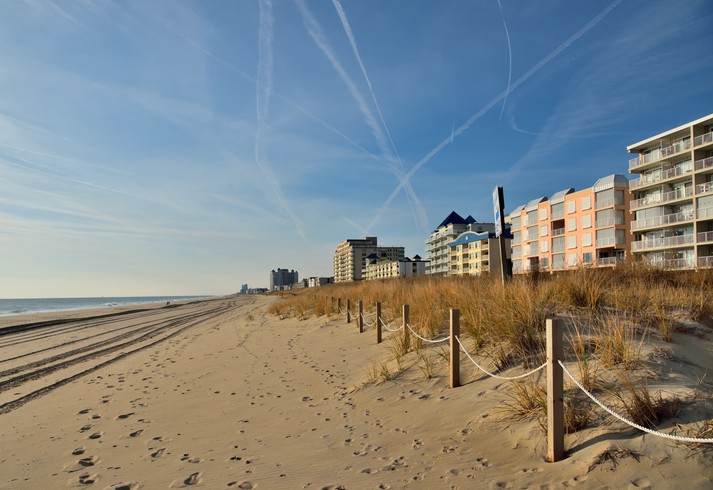
Use this as a starting point, then adapt it with your association, HVAC contractor, plumber, and insurance agent as needed.
- Confirm the heating requirement. Keep adequate heat on. The American Red Cross recommends no lower than 55°F when you're away in cold weather; your building, equipment, or insurer may require a higher setting. That temperature isn't a guarantee against freezing in every part of a building.
- Follow the correct water shutdown procedure. Identify the unit's domestic-water shutoff and confirm whether it should be closed during your absence. Don't shut off shared systems or fire-sprinkler supplies. Closing a valve doesn't drain the pipes or fully winterize the property.
- Follow your water heater's instructions. For an electric tank water heater being shut down, turn off its power before the water shutdown. On return, confirm the tank is completely full before restoring power. Gas, tankless, and shared systems need their own procedures.
- Bring balcony furniture and loose items indoors or into approved storage. Don't leave a chair outside because you might use it on your next visit.
- Close and lock doors and windows. Check every slider by hand. Close storm shutters where appropriate under the building's instructions.
- Arrange access and a response contact. Someone local needs to know how to get in and what to do if you receive an alert.
- Document the close up. A short checklist and photos of the thermostat and secured rooms make it easier to confirm what was done, especially when several people use the property.
For houses and properties with exterior plumbing, ask your plumber about outdoor faucets, showers, irrigation, and other exposed lines. Those need attention beyond the interior checklist.
Why leaving the heat on matters
One of the most expensive mistakes I've seen began with someone trying to close a property responsibly. During the winter of 2025 to 2026, a person helping an owner prepare for the season turned off the heat. Pipes froze and burst, and the property flooded from top to bottom.
The owner told me the insurer denied the claim because the heat had been turned off. Faced with mitigation, repair, and replacement costs they couldn't cover, the owner had to sell. That's one owner's experience, not a statement about how every policy responds, but it's a powerful reason to understand your coverage before leaving.
Another owner left the heat on, but the heat pump failed during a cold snap. The pipes froze, and the resulting water damage affected that condo and three units below it. Setting the thermostat is only part of the job; you also need a way to discover when the system stops doing what you expect.
In a condo building, a problem in one unit can affect neighboring properties. Ask your insurance agent how your policy addresses freeze damage and extended absences, and confirm the association's requirements. Nobody enjoys paying to heat an empty property, but the alternative can be a very expensive lesson.
Two storm problems worth preventing
Loose patio furniture and unsecured sliders are two preventable problems I've seen cause serious damage. Wind can pick up a chair and send it into the glass. A slider that looks closed may not be fully seated or latched, allowing wind-driven rain inside.
Take a few extra minutes to move the furniture and check the doors before you leave. After a major storm or extended power outage, arrange for someone to check the property for damage and confirm that the heating and other essential systems are operating properly. A reassuring number on your phone doesn't tell you whether rain came through a window.
Monitor the property and have someone ready to respond
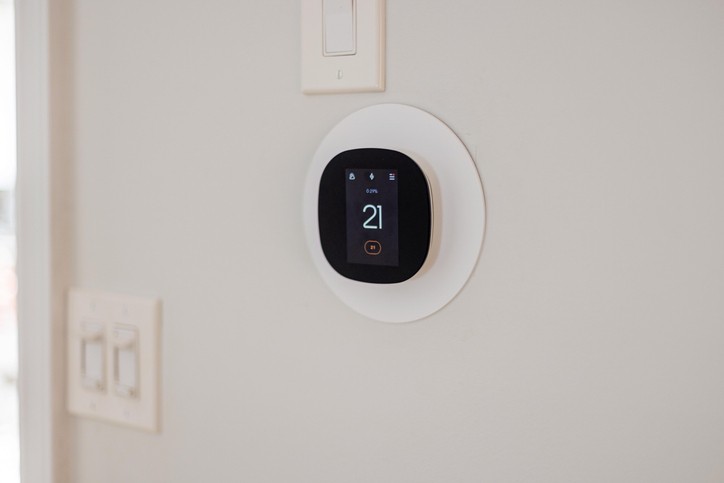
A Wi-Fi thermostat is one of my favorite tools for an owner who lives elsewhere. Look for temperature alerts and, where supported, notifications when the device loses its connection. If the temperature starts falling unexpectedly, you want time to act before conditions become dangerous.
Water monitoring can help too, but devices do different jobs. A floor sensor detects water where it's placed, such as near a water heater or washing machine. A flow monitor watches water moving through the plumbing, and some compatible systems can shut off the supply automatically. Choose equipment suited to your property and building rules.
Keep the internet service and necessary power active for connected devices. Alerts depend on the equipment, connectivity, and power available, so they're a supplement to a local response plan. Arrange checks with an appropriate service, trusted neighbor, or other reliable person, and make sure someone can respond promptly.
At Central Reservations, we perform off-season walkthroughs at the large majority of our properties and recommend improvements. Those walkthroughs are different from scheduled winter monitoring or post-storm checks. Confirm your property's arrangements rather than assume someone will be stopping in.
Give coastal equipment the right care
Salt exposure is hard on outdoor HVAC equipment. Units sheltered beneath buildings can accumulate salt without getting the same natural rinsing from rain as more exposed equipment. Ask your HVAC contractor for a coastal maintenance schedule and cleaning method that follows the equipment manufacturer's guidance.
Before an extended absence, address known heating problems and overdue maintenance. Don't assume a system is ready for winter just because it cooled the property through August. Your contractor can help identify what needs attention for reliable heating.
Maintenance responsibilities depend on your documents, not simply whether the property is called a condo or townhome. Fee-simple townhomes can have associations too. Know who handles the equipment, roof, windows, exterior, and any waterfront features before a repair becomes urgent.
What owners often get wrong
Turning off the water doesn't eliminate freeze risk. Water can remain in the plumbing, and neighboring or shared systems can still affect your property. Heat, appropriate shutdown procedures, and monitoring work together.
Having a rental manager doesn't automatically mean someone is checking your property throughout the winter. Know which services are included and arrange any additional visits you need. The same applies to assuming your association handles something simply because it's outside your front door.
And a property that competed well years ago may need attention today. Guests compare what they see now, not what the condo looked like when you last renovated it. Winter gives you time to make those improvements deliberately.
Use the off season to improve next season
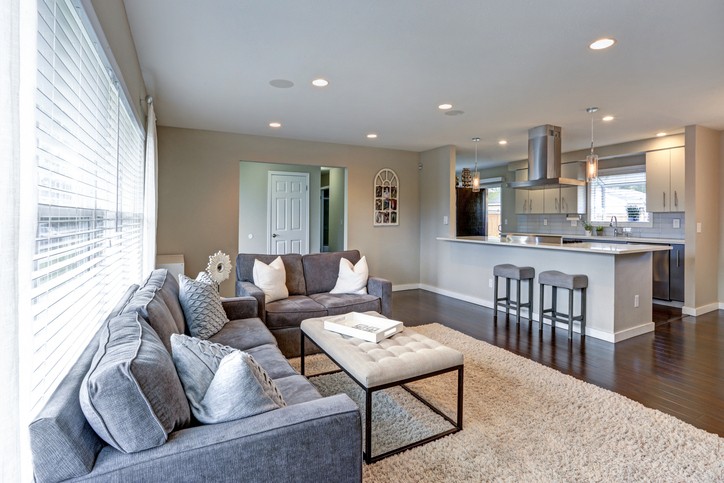
One of our most familiar owner conversations starts with, "My condo used to be the best in the building. Why doesn't it rent like it used to?" Often, the answer is that other properties have changed while theirs hasn't. Put the listings side by side and look at them as a guest would.
That doesn't automatically mean a remodel. Fresh paint, better lighting, comfortable seating, or a thoughtful accent wall can make a difference. Start with wear, comfort, and function, then consider what makes the property more appealing in photographs. A better picture should reflect a better stay.
Three things returning guests frequently mention in my experience are mattress quality, patio furniture, and the living room TV. My own two-bedroom condo is about 900 square feet, with a 70-inch TV in the living room, and guests comment on it regularly. Comfortable outdoor seating matters for the same reason: people actually use it.
When I bought that condo, I followed the advice we give owners, from design and sleeping arrangements to board games and a small video game console. The available rental calendar is mostly full before the season starts, largely because guests return, and I've been able to raise rates. That's my property's experience, not a promise of the same result for every rental.
Presentation and comfort matter, but so do price, availability, and stay requirements. Review guest feedback with those factors in mind, then schedule improvements around bookings and any building restrictions. Give yourself time to finish the work and update photographs before guests make their decisions.
Plan for shorter stays and returning guests
Ocean City remains a drive-to beach destination, and the off-season gives owners and guests opportunities for shorter visits. Weather and events influence demand, so decide which dates you want to offer and make sure the property will be ready. Don't assume summer booking patterns carry through winter.
Our team works on early bookings and returning guests throughout the off-season. We review feedback, follow up on tentative reservations and rebookings, and send booking anniversary notices to encourage guests to return. We also use this time to improve our systems and lodging agreements for the next season.
Use the property yourself when you can. A few days there can reveal an uncomfortable mattress, a missing kitchen item, or a maintenance issue that's easy to overlook during a quick visit. Check your building's parking rules before arrival, and make sure guests receive the correct instructions too; seasonal arrangements vary.
Frequently asked questions
Should I turn off the heat when I leave?
Keep adequate heat on and follow the requirements for your building and policy. General Red Cross guidance is no lower than 55°F during a cold-weather absence, but your property may need a higher setting. Confirm a suitable plan with your professionals.
Does shutting off the water winterize the property?
No. Closing the domestic-water valve doesn't empty the plumbing or protect every system. Your plumber or building manager can explain the appropriate shutdown steps for your property.
Can I still accept occasional winter rentals?
Yes, if the property is available and someone consistently handles reopening, heating, water service, and closing afterward. Plan those responsibilities before accepting a reservation.
Does a CR walkthrough replace winter monitoring?
No. Central Reservations performs off-season walkthroughs at the large majority of its properties and makes improvement recommendations. Arrange scheduled monitoring and post-storm checks separately as needed.
How we know this
This guidance draws on Grant Fritschle's firsthand experience with Ocean City properties, owner-reported losses, his own rental, and Central Reservations' owner and guest interactions. General temperature guidance comes from the American Red Cross; electric tank water-heater guidance comes from A. O. Smith. Equipment-specific maintenance should follow manufacturer instructions and qualified professional advice.
The loss stories and personal rental results are individual experiences. Your association documents, equipment instructions, and insurance policy determine the requirements that apply to your property.
Plan your next steps with Central Reservations
Before you leave, know how the property will be protected and who will respond if something goes wrong. Then decide what deserves attention before the next rental season. Contact the Central Reservations team to discuss your availability, guest feedback, and improvement priorities so you can put that time to good use.
About the author
Grant Fritschle is an Ocean City area Realtor licensed since 1998, a majority owner of Central Reservations, and a local vacation-rental owner. He brings firsthand experience with coastal property ownership, rental preparation, and guest expectations to this guide.